Category: Philosophy
-
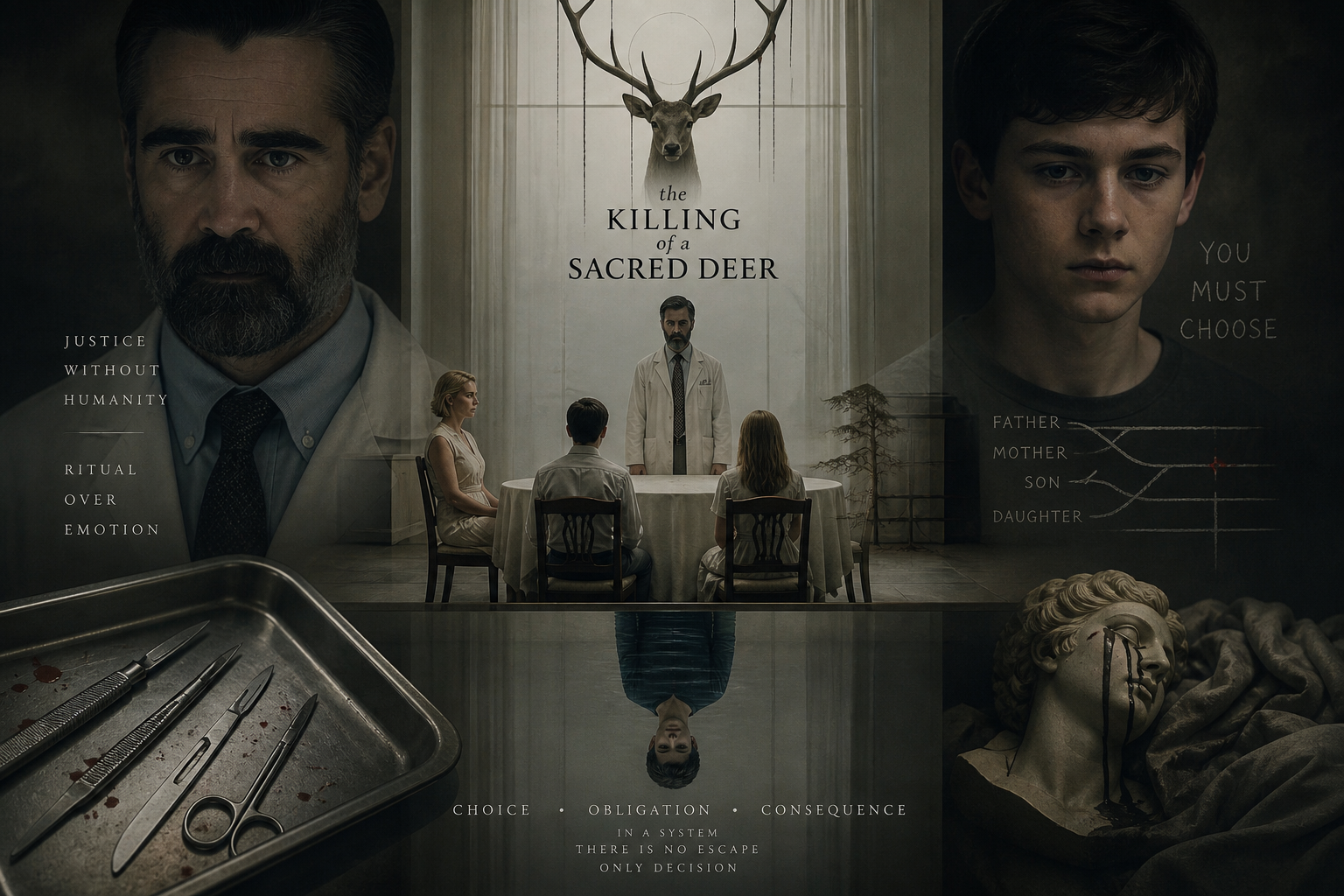
Yorgos Lanthimos’s The Killing of a Sacred Deer (2017) is a film that resists passive consumption. It is not merely watched; it is endured, decoded, and—perhaps most unsettlingly—internalized. Operating within the director’s now-recognizable grammar of emotional austerity and ritualized behavior, the film constructs a world in which morality is neither negotiated nor felt, but enforced…
-
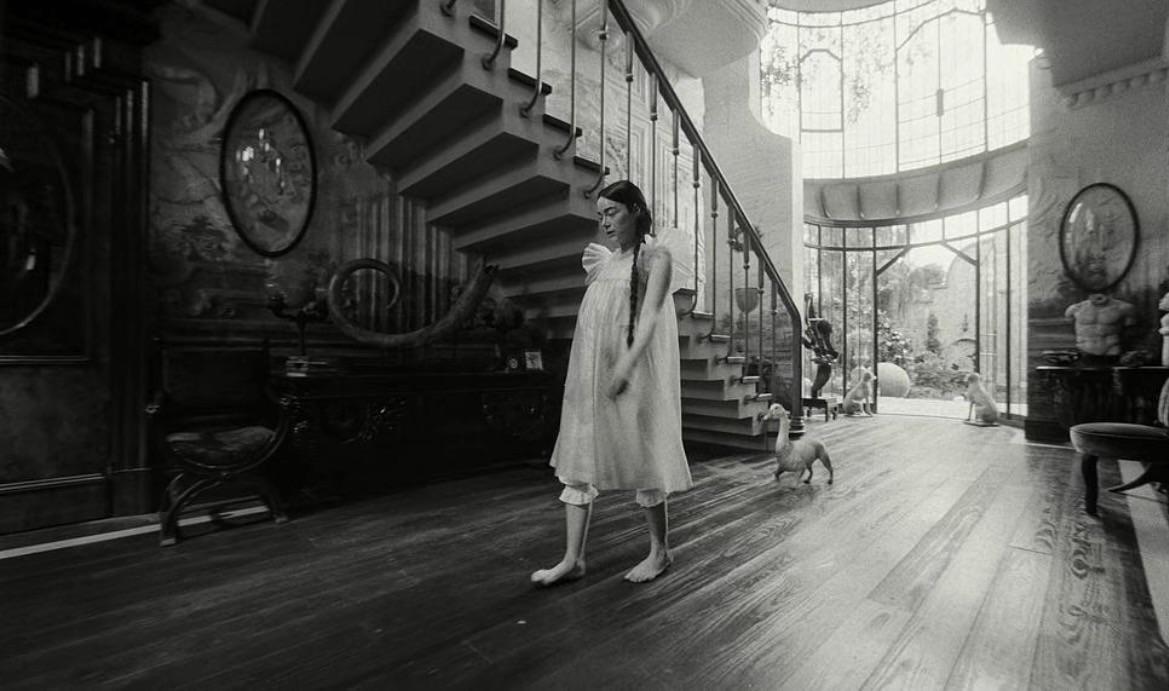
Poor Things Explained: If you watched Poor Things expecting a traditional narrative arc, you misunderstood the assignment from the opening frame. This is not a film built on comfort, clarity, or convention. This is a film engineered through controlled chaos, psychological evolution, and decision-making under unfamiliar conditions. In other words—this is Film IQ at its…
-

Ritual, Alienation, and the Geometry of the Absurd The cinematic language of Yorgos Lanthimos is complicated to engage. Few contemporary filmmakers possess a cinematic language as immediately recognizable as Yorgos Lanthimos. Across films such as Dogtooth (2009), The Lobster (2015), The Killing of a Sacred Deer (2017), and The Favourite (2018), Lanthimos has constructed a…
-

Cinematic language and visual storytelling are often spoken about as though they were simply the ability to produce striking images. Beautiful frames, dramatic lighting, or cinematic camera movement are frequently treated as the defining ingredients of cinematic language and visual storytelling. But these elements alone do not create narrative. They create atmosphere. True visual storytelling…
-

We have been taught to believe that cameras capture reality. They don’t. They construct authority. This distinction is not semantic. It is structural. It reshapes how we understand photography, video, memory, and truth itself. The camera does not simply record what exists. It determines what matters. And once something is recorded, it acquires a peculiar…
-

(A Manifesto for Why Video Art Is Non-Negotiable) Let’s be clear from the start—this is not an academic defense of video art.This is a line in the sand. If contemporary art is serious about now—about perception, attention, grief, technology, memory, power, and time—then video art is not optional. It is not an add-on. It is…
-
Photography does not simply show us the world.It touches us. This distinction—between seeing and being affected—is where photography either becomes forgettable or unforgettable. And no one articulated this divide more clearly than Roland Barthes. In Camera Lucida, Barthes dismantles the idea that photographs are neutral records of reality. Instead, he argues that every photograph carries…
-

Storytelling and photography have never been about the camera. It has always been about attention. In a world flooded with images, the value of photography is no longer tied to access or technical ability. Anyone can take a sharp photo. Anyone can apply a preset. What remains rare is intent—the ability to use a still…